
Aligned Impact 2026-2029 Focus: Health & Social Connectedness
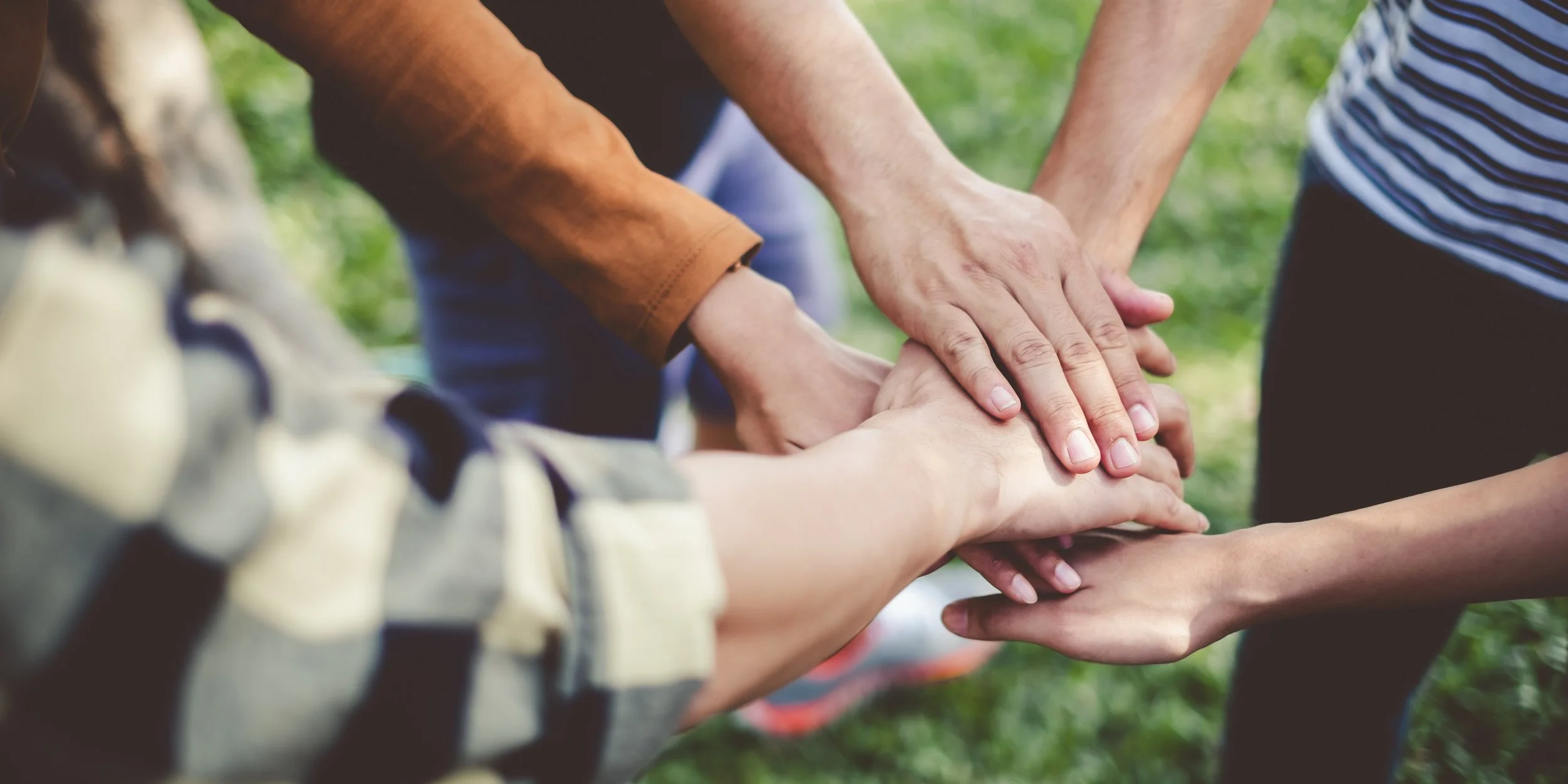
UWFH understands social connectedness as the opportunity for individuals to both contribute to and rely on their communities: ways to develop a social network, supportive relationships, and a feeling of belonging. Research shows that individuals achieve better health outcomes and strengthened resilience when the programs supporting them integrate strategies centered on social connectedness, such as mutual supports and shared experiences.
The Challenge: Isolation, loneliness, anxiety, and trauma are identified in multiple local needs assessments and in our United Way’s community outreach as barriers to health and wellbeing in our region. Factors such as geographic isolation, lack of transportation, financial constraints, disabilities, and communication limitations exacerbate the issue, and they can make it difficult to bring people together and help them feel like they’re an integral part of their community. A consequence of this is that people who feel isolated do not reach out or know where to go to address their health needs.
The Solution: UWFH is driving the work to improve social connectedness through an aligned impact approach, which centers investment in multiple organizations working to address the same identified regional need, whether they do so by collaborating on the same particular program or through their own initiatives.
Our Partners in Social Connectedness
UWFH has partnered with several nonprofit organizations interested in working to address health and social connectedness needs in our communities. The following agencies and programs have been awarded funding through UWFH’s Community Investment process in support of their important work of making sure our community stays connected:
Craig’s Doors: Resource Center
Craig’s Doors Resource Center provides a low-barrier daytime space in Amherst for adults experiencing homelessness, housing instability, or economic hardship. Guests can access showers, snacks, Wi-Fi, mail services, survival gear, case management and more. The Resource Center also fosters social connection by offering a welcoming community space where individuals can build relationships with staff and peers while connecting to housing resources and supportive services.
It Takes a Village: Village 360 Perinatal Home Visits
Supporting agencies/programs: Green River Doula Network (GRDN), Cooley Dickinson New Beginnings, and Moms Do Care EMPOWER
Social isolation is a leading risk factor for postpartum mental health crisis, substance use relapse, and maternal mortality. Village 360 will deliver coordinated perinatal support - home visits, peer-led childbirth education, doula care, opioid harm reduction training - building the social connections that protect health for historically marginalized families across Western Massachusetts.
LaunchSpace: Social RX
The Social RX program empowers community based organizations to “prescribe” creativity as a pathway to wellness. Participants gain access to structured creative workshops, memberships for independent work, time in nature in our community garden , and workshops held at partner sites where participants feel most comfortable. Workshops are tailored to client need creating opportunities to reconnect with creativity, enhance emotional wellbeing and meaningful social connections.
For more information about health, social environment, and connectedness needs in our region and beyond, please review the data sources, improvement plans, and reports below:
Baystate Franklin Medical Center, 2025 Community Health Needs Assessment
- Priority Health Needs - Regional Focus Area: Mental Health and Substance Use Disorders
Cooley Dickinson Hospital, 2025 Community Health Needs Assessment
- Priorities - Social and Economic Determinants of Health: Social and Physical Environment – Violence and Trauma
- Regional Priorities: Mental Health and Substance Use
Franklin County & North Quabbin Community Health Improvement Plan, 2024-2028 Goals and Objectives
- Health Priority Goal: Connectedness
World Health Organization, Social Isolation and Loneliness website
- Includes “From loneliness to social connection: charting a path to healthier societies” June 2025 report
U.S. Surgeon General, 2023 Advisory on the Healing Effects of Social Connection and Community: “Our Epidemic of Loneliness and Isolation”